“Ask Kari”: Top Three Reasons Why Owners Fire Their Property Managers
Kari, I don’t think my management company is checking my property. My insurance company just sent me a huge list of liabilities that need to be fixed, or they are going to cancel me. It is a very big list that could not have happened overnight. I do not get a monthly report on the condition of my property, and I only receive a financial report and it looks good. However, it now appears there is no money being spent because no maintenance is being done. What should I do?
Having a property manager is supposed to relieve the burden of operating your property yourself. However, some property managers can make the job more difficult for you. Say goodbye to the property manager that does not prioritize increasing your monthly revenue, keeping your tenants happy, and maintaining your property so that it is competitive, safe, clean, and up to code. Owners often get caught up in reducing expenses and forget that Net Operating Income (NOI) is the most important number to look at. If the income decreases because of more expenses, there is a problem. Without a strong income, a building could be crippled. There are several reasons to fire a property manager. Here are the top three of them.
1. Maintenance Issues and Property Damage
Your Property Manager should make an interior inspection at least twice per year of all units to check all smoke alarms, plumbing and appliances. This allows the manager to check these items for safety and maintenance but also allows the manager to visually inspect for other issues such as unauthorized occupants, poor housekeeping, and hoarding. In 2025, liability risks are higher due to tighter building codes and insurance scrutiny, so managers must keep an even closer eye.
They need to make a monthly exterior check as well to ensure that there are no liabilities on the property. Your property manager should submit a monthly report that includes the condition of your property and outline items such as upcoming vacancies and expenses. If they have not reported the property’s condition, they are not doing their job.
Property managers are responsible for the maintenance of the property and should let you know of any existing and potential issues, as well as offering solutions for them. Additionally, they must keep records on the individual unit conditions; if a tenant is not keeping your place well maintained, then they should be given a notice (nothing formal at first) to keep their unit in well maintained condition as to not attract vermin, pests or health hazards of any kind.
In case of serious property damage, you must be notified, and your manager should obtain bids and submit them to you for approval and have the issue addressed immediately. If damage does occur and you and your property manager are completely unaware of conditions that they should have known about, then it is time to move on because liabilities that go unnoticed and unreported can cost you thousands of dollars — and may even void insurance coverage or trigger legal action.
Delayed or ignored maintenance requests. Overcharging for repairs or using unqualified contractors. Neglecting preventative maintenance causes long-term property damage.
2. Lack of Communication
Your property manager should be accessible and responsive. They must keep you well informed. You should receive monthly statements and updated reports on time and for urgent matters, they should reach out on time (same day). With most communication now happening through apps or secure portals, responsiveness is expected, not optional.
If your property manager does not return calls or answer emails, then they obviously lack the professionalism and proper communication to manage your or any other property. Regardless of how skilled your property manager is, if they do not communicate well, they are not worth keeping. You cannot maintain your property if there is poor communication and important things can fall through the cracks. Poor attention on their part can lead to disgruntled tenants, city write-ups, costly repairs, and even litigation.
Owners expect regular updates and responsiveness. When property managers fail to respond to emails or calls, leave owners in the dark about major issues, or don’t keep tenants informed, trust breaks down quickly.
3. Vacant Properties and Bad Tenants
As a property owner, you want your property fully rented and generating income. If your property manager is unable to find you a tenant for a long time, there is no point keeping them. Finding a tenant for your vacant unit should be your manager’s number one priority. They should have cost-effective marketing strategies and responsive staff to bring in good tenants.
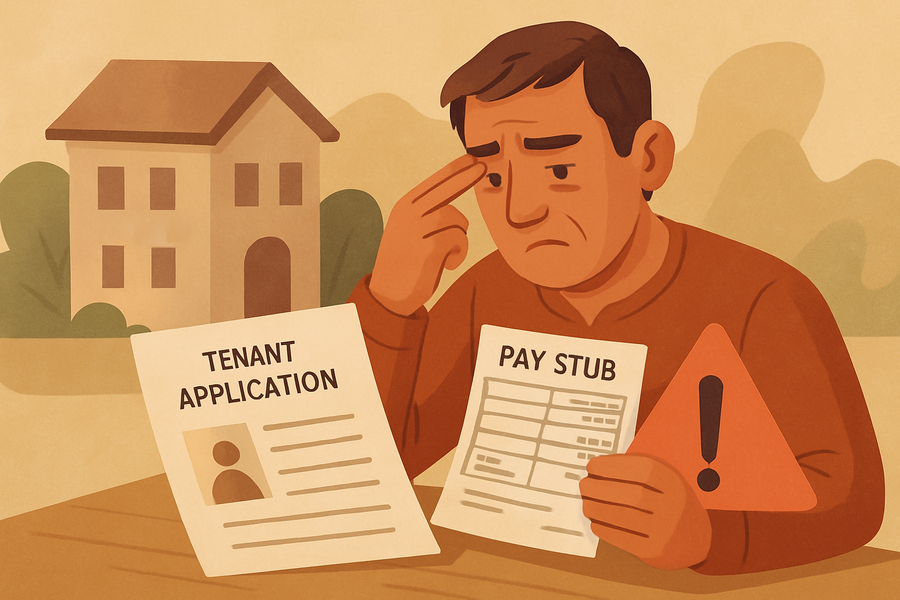
What’s worse than a vacant unit? Evicting a bad tenant. Poor placement can cost you thousands in legal fees, repairs, and vacancies. Proper tenant screening isn’t optional; it’s a skill, and one that’s essential to the long-term health of your property. Your property manager’s job isn’t just to fill units; it’s to fill them with qualified tenants who meet your standards. There should be zero compromise in the screening process. In today’s market, weak vetting leads to high turnover, regulatory headaches, and constant damage control. Common red flags include chronic vacancies, ineffective marketing, sluggish tenant placement, and poor screening practices that result in evictions.
The Bottom Line
Your property manager should oversee all the operations of your property. They should inspect your property regularly and keep you updated on it. Their job is to rent your vacancies fast and rent them to qualified tenants. They should keep your property well maintained and your residents reasonably happy (who is always happy), while staying within a reasonable budget. It is necessary that the property manager is accessible and that they always have good communication with you. If they’re still operating like it’s 2015, you’re carrying all the risk. If they fail to perform, you should consider searching for a better property manager.
Written by Kari Negri
Kari Negri is the Chief Executive Officer of Sky Property Management and is a member of the Board of Directors of the Apartment Association of Greater Los Angeles. For questions, you can reach Kari at Kari@SKYprop.LA.