From the Capitol to City Hall: Rental Housing Reality Check
Statewide policy & compliance
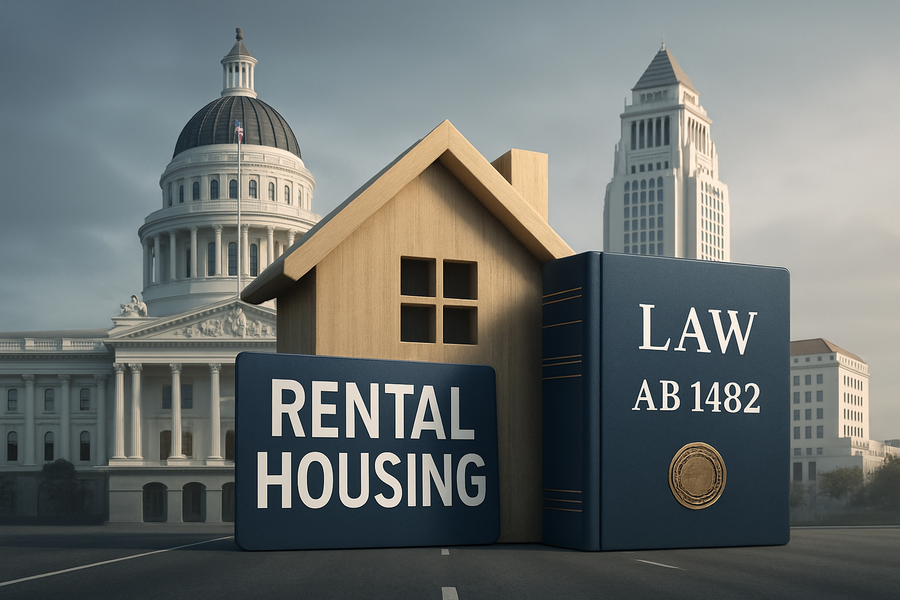
Sacramento kicked off 2026 with renewed pressure to tighten the California Tenant Protection Act (AB 1482) framework. AB 1157 resurfaced as a major “rent-cap expansion” proposal that would have lowered the allowable annual increase formula and made broader structural changes; however, the bill failed to advance out of Assembly Judiciary in mid-January—an early-session signal that sweeping statewide rent-cap rewrites will face heavy resistance.
Several new 2026 housing laws also moved from “talking point” to operational reality. Notably:
* AB 628 redefined “tenantable” standards by requiring a functioning refrigerator and stove/oven in qualifying rentals beginning January 1, 2026, pushing owners to budget for appliance provision/replacement and tighten move-in condition documentation.
* AB 1414 requires tenants in many bulk-billed internet/cellular/satellite arrangements to be given an opt-out for tenancies starting or renewing on/after January 1, 2026—a lease language and billing workflow update for owners and managers.
Local legislative / regulatory notes
City of Los Angeles (RSO/LARSO): LAHD guidance indicates the RSO annual rent increase remains 3% (July 1, 2025–June 30, 2027), with additional formula/utility-adder changes effective February 2, 2026 that landlords should track closely when noticing increases.
Los Angeles County: The County continues to enforce and extend anti–price gouging rules during declared emergencies—generally prohibiting rental price increases over 10% while an emergency is in effect. Providers should confirm whether a property/location is covered before issuing increases or repricing vacant units.
Legal / compliance risk (practical takeaways)
January’s theme was documentation and notice hygiene: lease addenda updates (bulk services; appliances), habitability response timelines, and careful rent-increase noticing under layered rules (state + city/county). Industry groups also pushed refreshed 2026 compliance forms to reflect new statutes.
Tax & reporting items to watch
For operators using payment apps/online platforms, the IRS confirmed Form 1099-K reporting generally reverts to the $20,000 and 200 transactions threshold under recent federal changes—reducing some “small-payee” paperwork versus the previously discussed $600 regime.
Also flagged for the future: IRS draft guidance notes digital assets used in real estate transactions will be reported on Form 1099-S beginning tax year 2026.
Market snapshot (what owners are feeling)
California remains a tale of two regions. San Francisco/San Jose are showing stronger rent momentum (with SF highlighted among leaders in late-2025 annual rent growth), while parts of greater L.A. are normalizing with more competitive lease-ups as supply delivers—keeping concessions, unit condition, and resident retention central to performance in early 2026.
This article has been prepared by the editorial staff of Apartment News Publications, Inc. (ANP) intended for informational purposes only and does not constitute legal advice. Readers should consult with qualified counsel regarding their specific circumstances. ANP, Covering Issues That Impact Landlords and Property Owners.