New Year, New Rules: What Landlords Must Prepare For
As we turn the page to a new year, California’s rental housing industry faces a familiar reality: more regulatory change, more economic pressure, and more operational uncertainty. While many of last year’s challenges will carry forward, 2026 is shaping up to be a year defined by compliance complexity, tightening margins, uneven market recovery, and escalating demands on property owners who are already stretched thin. This update outlines the issues all California rental housing providers should be prepared to navigate in the months ahead.
1. Regulatory Momentum Continues — With No Signs of Slowing
California’s state and local governments remain fully committed to housing regulation as their primary policy tool. Expect renewed energy behind measures addressing rent caps, eviction restrictions, mandatory relocation payments, expanded habitability standards, “right to cooling” rules, utility pass-through limitations, and stronger enforcement mechanisms. Several bills that stalled last session will be reintroduced with modifications, while new proposals—particularly around indoor temperature mandates, nuisance enforcement, and application screening fairness—are already emerging.
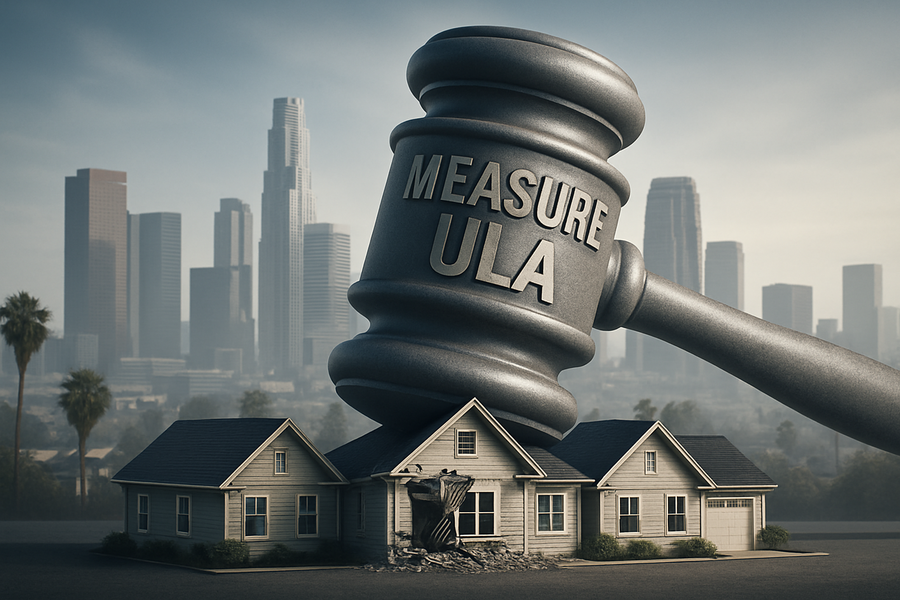
Local jurisdictions are also entering the fray with their own expansions of rent stabilization, including potential adjustments to allowable rent increases, just-cause requirements, and registration mandates. The takeaway? Compliance in 2026 will require constant vigilance. Housing providers must plan for more reporting, more documentation, and more rules that affect even routine operational decisions.
2. Insurance Pressures Intensify
California’s insurance crisis will continue to create significant instability for multifamily property owners. Premiums remain elevated, carriers continue reducing coverage or exiting the state entirely, and properties with aging electrical systems, balconies, roofs, or wildfire exposure face the biggest obstacles. The trend is moving toward highly selective underwriting and higher deductibles.
More owners will be required to make capital improvements simply to maintain coverage, whether upgrading Federal Pacific or Zinsco panels, improving defensible space, performing seismic or balcony inspections, or addressing deferred maintenance. Insurance will remain one of the largest operational risk factors of the coming year.
3. Operating Costs Continue to Outpace Rent Growth
While rents have flattened or grown modestly in many regions, operating costs have not. Utilities, insurance, maintenance labor, vendor services, and materials continue rising at rates that outstrip allowable rent increases under rent stabilization. This will be particularly acute in cities with CPI-based rent caps, where temporary inflation relief is vanishing and caps may fall again.
Many owners—especially small, mom-and-pop providers—will enter the new year with tighter margins and fewer buffers. Strategic expense management, preventative maintenance, and clear documentation will be essential to preserve long-term asset performance.
4. Tenant Complaints and Habitability Claims Are Rising
California continues to experience an increase in mold claims, harassment allegations, habitability complaints, and tenant-initiated lawsuits—often supported by nonprofit legal aid or contingency-fee attorneys. Allegations involving water intrusion, inadequate heating or cooling, pests, and unsafe conditions are becoming common defenses in eviction cases, whether justified or not.
Housing providers must adopt a “documentation first” mindset. Timely responses, clear written records, detailed inspection logs, and proactive maintenance are no longer best practices—they are legal armor.
5. Eviction Timelines Will Remain Slow and Uneven
Housing providers should expect court delays, expanded tenant defenses, procedural requirements, and shifting local protections to continue complicating the unlawful-detainer process. Courts are still facing backlogs, and tenant attorneys remain aggressive in leveraging technicalities to slow cases. Precision in notices, accuracy in rent demands, and strict adherence to procedural requirements are mandatory for a successful case.
6. Technology Will Be a Lifeline — But Only If Adopted Strategically
From AI-driven application fraud detection to digital maintenance tracking, PropTech adoption is accelerating across the industry. These tools can improve compliance, protect against liability, and streamline operations—but they also require owners to modernize workflows. A well-chosen system can strengthen records, reduce disputes, and help owners stay ahead of regulatory requirements.
Bottom Line: The coming year will test California rental housing providers, but it will also reward those who stay informed, stay compliant, and stay proactive. With the right strategies—and the right support—housing providers can navigate the challenges ahead and continue offering safe, reliable homes to the families who depend on them.
This article has been prepared by the editorial staff of Apartment News Publications, Inc. (ANP) intended for informational purposes only and does not constitute legal advice. Readers should consult with qualified counsel regarding their specific circumstances. ANP, Covering Issues That Impact Landlords and Property Owners.