Underinsured and Exposed: The Silent Risk Facing Property Managers
“Given the rising issues of tenants suing landlords and property managers, I want to ensure that I’m fully protected. What insurance policies should I have?”
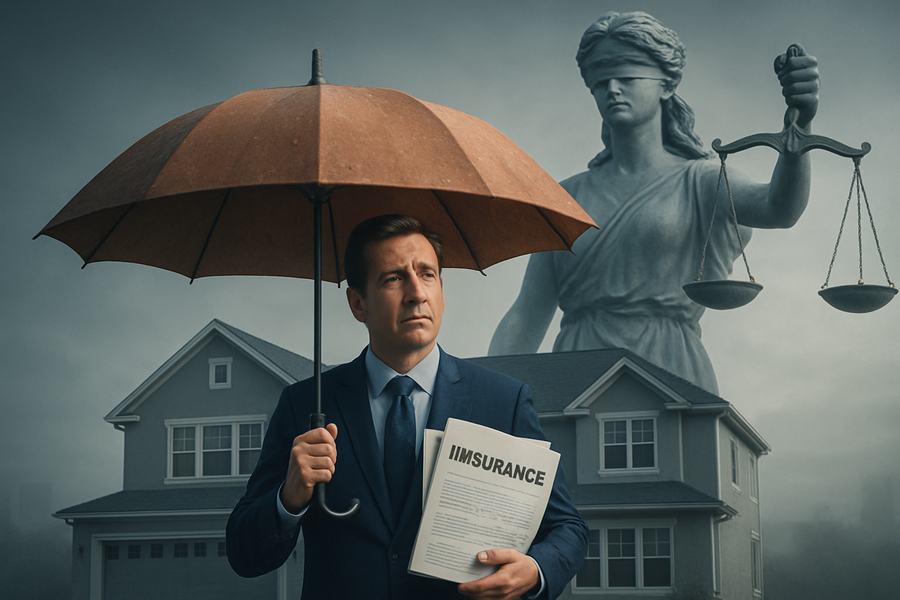
Before starting your property management business, one of the most crucial steps is securing the right insurance. I will admit this was the one item that kept me sitting up at night and losing sleep. How much insurance do I need? What kind do I need? OH NO what have I missed?!! If you’ve ever stared at the ceiling at 2 a.m. wondering if your coverage is enough, you’re not alone; I’ve been there. In this article, I’ll outline some of the policies you need to have in place to protect your property management company.
1. General Liability Insurance:
- Why This Matters To You as A Property Manager
This insurance is super important for property managers. It provides coverage for third-party bodily injury, property damage, and personal injury claims. Essentially, it protects you from financial losses resulting from accidents that might occur in your office. Having general liability insurance not only protects your assets but also enhances your credibility and trustworthiness with clients and tenants alike. - Why This Matters To Your Clients’ Properties/Your Owned Properties
General Liability also protects the properties you manage from bodily injury or property damage. For example, if a tenant slips and falls, this insurance helps cover the costs. Without this coverage, big legal bills could hurt your business. Another significant portion of the General Liability policy for your clients’ property is Habitability Coverage. Many carriers have started to limit or exclude this coverage on many GL Coverage forms. Habitability claims can stem from various reasons, often related to a lack of repair/maintenance, local/state law violations, mold, infestations, bed bugs, and more. It is essential that your Clients’ GL policy includes at least some coverage for Habitability claims, as it is the largest exposure a building owner has. It is also important you have your client name you as additional insured on their GL policy. This provides you as their Manager coverage under their policy in the event of a claim.
2. Property Insurance
- Why This Matters To You as A Property Manager
Property Coverage is essential to you as a Property Manager to cover your owned office equipment, Desks, Chairs, Computers, other Electronic equipment. Without this coverage in place you may find yourself footing a rather expensive bill to replace all of your supplies in the event of a fire or theft. - Why This Matters To Your Clients’ Properties/Your Owned Properties
Property insurance is crucial for protecting the physical assets of your client and their physical property as well as potential loss of rents. The standard property coverage form you should be seeking is Special Form Property Coverage. This coverage form will cover claims that stem from Fire, Smoke, Water, Wind, Hail, Theft, Vandalism and More. It is important to note that Earthquake and Flood coverages are excluded coverages on a Special form policy. It is important to know if your client is concerned with these items and to secure a separate policy away from their standard property coverage to cover Earthquake and Flood. If a major disaster happens and you don’t have coverage, the property owner may never recover from the loss. Show your clients that you take risk management seriously, read the policy and make suggestions. Like checking to be sure the replacement costs are high enough or that landscape, fences and carports are included.
3. Workers’ Compensation Insurance:
If you have employees in California, this insurance is a must—it’s the law! It covers medical costs and lost wages for workers hurt on the job, so they get the support they need while recovering. It also helps protect your business from lawsuits related to workplace injuries. Some HR and payroll companies even offer this as part of their services, making it easier for you. Beyond compliance, it shows your team you’ve got their back. By getting this insurance, you’re not only following the law but also creating a safer work environment, which can improve employee morale and your company’s image. SKY also provides health insurance as a benefit to our employees. This may also reduce the need for a false claim.
4. Commercial Auto Insurance:
You may be thinking to yourself, I own my car in my personal name why would I need a commercial policy to cover it? There are many reasons to this and first of your should make sure your personal insurance is willing to cover you still as a business owner and using your car in conjunction with your business, running to meetings with clients, gathering supplies etc. The other even more important commercial auto coverage that is crucial for you to have coverage for is called Hired and Non Owned Auto Coverage. This is either a special endorsement that can be added to your auto policy itself or sometimes your GL policy as well. This policy covers potential accidents and liabilities from vehicles used & owned by your employees and subcontractors, bodily injury and third-party damages. I.E one of your property managers runs to home depot to get a new light bulb, while in the parking lot the employee strikes a person walking. Due to the employee running a business errand it could result in their own personal insurance denying the claim and leaving you on the hook for the damages/injury. Commercial Auto insurance is unlike personal auto insurance, it’s specifically designed for business use, offering tailored protection for a range of vehicles. Investing in commercial auto insurance safeguards your assets and helps ensure smooth business operations by minimizing disruptions from vehicle-related incidents.
5. Professional Liability Insurance (Errors and Omissions Insurance)
This policy covers claims arising from professional mistakes or negligence. For instance, if you fail to fulfill your duties—such as mishandling lease agreements or not properly addressing tenant complaints—this insurance can protect you from legal repercussions. It also covers more serious claims, such as wrongful eviction or allegations of tenant discrimination, which can be costly. With this insurance, you can manage properties confidently, knowing you’re covered if things go wrong.
6. Cyber Liability Insurance:
Since property managers deal with sensitive tenant information, cyber liability insurance is a must. This policy covers costs if there’s a data breach or cyberattack, including recovery expenses and legal fees. It might also cover fines if you fail to protect tenant data. In today’s world, hackers are the new burglars, only they break into your files instead of your office. With this insurance, you’re not just protecting your business financially; you’re also showing tenants that you care about their privacy and security.
7. Business Owner’s Policy (BOP):
A BOP is a smart choice for property managers and building owners because it combines general liability and property insurance into one package, usually at a lower cost. Not at all times is a BOP policy available, depending on carrier availability and building statistics it may not be a coverage that is offered to you. However, if you can obtain a BOP, it typically offers more built in coverage enhancements as well as coverage for business interruption, compensating for lost income during unforeseen events. By choosing a BOP, you simplify your insurance management while ensuring comprehensive protection for your business.
8. Crime & Employee Dishonesty Insurance:
Property managers are routinely entrusted with client funds and access to financial accounts. Whether managing an apartment community or a portfolio of properties, the risk of internal or external theft is significant. Crime insurance, sometimes called employee dishonesty insurance or a Fidelity Bond, provides protection when money, securities, or property are stolen or misappropriated by employees, leasing agents, bookkeepers, or even outside parties. This coverage is especially important because property managers sometimes collect rents (owners don’t have good software) and security deposits, and a single dishonest employee can misappropriate thousands of dollars before the fraud is detected. Crime insurance also helps defend against increasingly sophisticated fraud schemes such as forged checks, electronic fund transfers, payment diversion, and forged vendor invoices. Many policies can be endorsed to include theft committed by vendors or subcontractors, which is critical since property managers often rely on outside maintenance providers. Carrying crime coverage not only preserves client trust but also demonstrates professionalism and financial responsibility. Without it, both managers and owners may be forced to absorb losses directly, damaging finances and reputation.
9. Employment Practices Liability Insurance (EPLI):
Workers’ compensation insurance alone does not fully protect property managers from employee claims. EPLI fills this gap by covering allegations brought by employees, former employees, applicants, and sometimes even tenants or third parties. Common claims include wrongful termination, discrimination, sexual harassment, retaliation, and hostile work environment. Property managers who oversee hourly maintenance staff or leasing agents also face exposure to wage and hour disputes, such as unpaid overtime, missed breaks, or improper timekeeping. With proper endorsements, EPLI can even extend to immigration‑related employment claims, including I‑9 verification issues or wrongful hiring and firing tied to immigration status. These types of claims can lead to audits, fines, and costly legal defense. Even when allegations are baseless, defense costs alone can destabilize a business, but EPLI absorbs those expenses. By carrying EPLI, property managers protect themselves against one of the most frequent and expensive categories of lawsuits in the industry, while also safeguarding against tenant or third‑party discrimination claims tied to leasing decisions or staff interactions.
Special acknowledgment:
This overview was developed with insights from my conversation with Josh Hoover of Anthony Napoli Insurance Agency, Inc., whose expertise provided clarity on today’s most important insurance coverages for property managers.
In wrapping up, having the right insurance is a must for any property management business. Each type, like general liability and cyber liability, helps protect your assets, your team, and keeps everything running smoothly. Investing in these policies not only keeps you compliant but also builds trust with your tenants and property owners. So, as you tackle the day-to-day of property management, knowing you’ve got solid insurance coverage gives you peace of mind to focus on what really matters: delivering great service and managing properties like a pro!
“Ask Kari” is a monthly, Question & Answer feature from Kari Negri. Kari has two decades of property management experience, is a featured speaker at many industry trade shows, such as AAGLA’s annual trade show, and is the CEO of SKY Properties, Inc. in Los Angeles. Please submit your question today: kari@GetSky.net Watch the web video series to this feature at www.GetSky.netThank you for your question, John! Stay in touch at www.GetSky.net