Asbestos? Lead? It Pays to Do Things Right
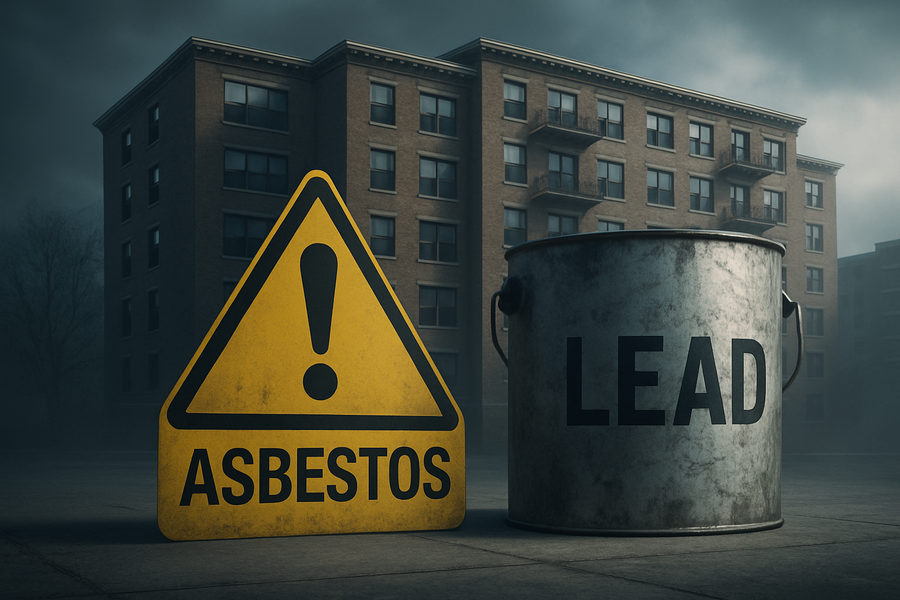
Many older apartment buildings contain hazardous materials such as lead and asbestos. While these substances may not always be visible, they can pose serious risks to both human health and the environment if not handled properly.
Unfortunately, some property owners underestimate these dangers or attempt to remove these materials without following the required regulations. Trying to bypass proper procedures can put workers, tenants, and surrounding communities at risk.
Failure to comply with state and federal laws governing the removal of hazardous materials can lead to significant consequences, including substantial fines and potential legal penalties. Proper testing, reporting, and removal by licensed professionals is the safest and most responsible approach.
Case Studies
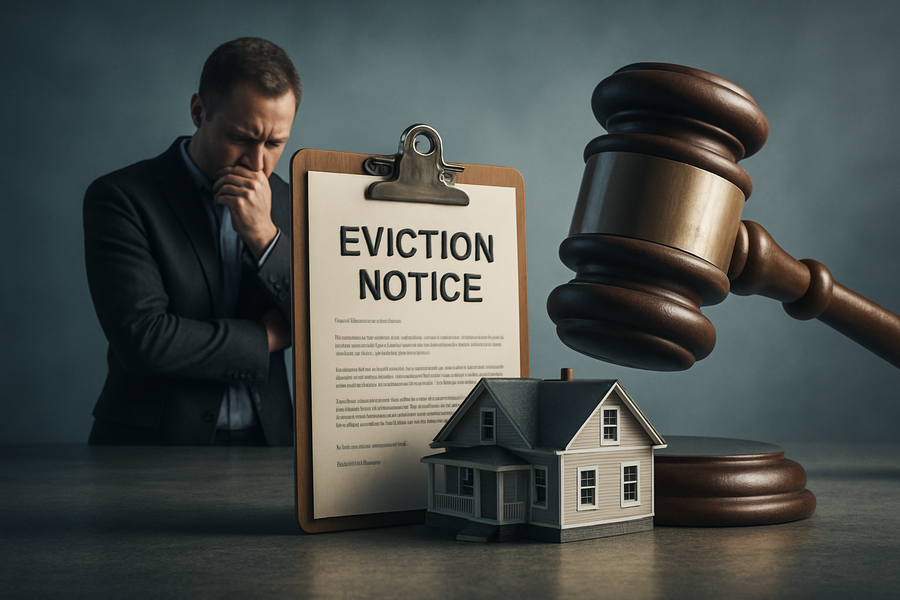
In a widely publicized case in 2018, a West Hollywood apartment complex was shut down after a South Coast Air Quality Management District inspector found asbestos at a construction site following an anonymous tip. L.A. Fire and Hazmat officials formally decontaminated more than 15 units, whose inhabitants were ordered to vacate the building and leave everything behind, even their cars. A criminal investigation ensued.
In another case, a federal appellate court in Chicago in 2013 upheld a lower court’s 10-year prison sentence for a sprinkler contractor who removed asbestos from piping without the proper training or licensing, and disposed of the material in dumpsters and abandoned farmhouses.
Figures for 2020 showed that the EPA opened 247 criminal investigations (despite limitations during the pandemic). Criminal cases charged in 2019 resulted in a 94% conviction rate among those brought to trial, the EPA reported.
What does the law require?
Asbestos is a dangerous carcinogen, and exposure to high levels of lead can cause anemia, weakness and kidney and brain damage.
There are many laws regulating the testing and treatment of asbestos, lead and other potential hazardous materials used in older structures, particularly those built prior to 1979.
Whenever asbestos or lead are found, state, local and Environmental Protection Agency offices must be notified. The National Emission Standards of Hazardous Air Pollutants requires that work areas be sealed off and that waste be disposed of at a hazardous materials facility. The Occupational Safety and Health Administration mandates strict safety protocols for workers, who are at risk of cancer, kidney and lung problems, even death when exposed.
It Pays to Do Things Right
Selecting the right contractor for dealing with environmental issues and other unexpected twists that may arise during construction of building renovations, seismic retrofits and other projects will help ensure that laws and safety protocols are followed. Doing so protects building owners and management companies from liabilities associated with the improper handling and disposal of toxic substances.
Generally speaking, a reputable company with a solid track record and decades of experience like Optimum Seismic is going to follow the letter of the law. And, in the rare instance where something is not done right, that company — based on its name and solid reputation in the industry, its licensure and bonded status — is going to assume responsibility for its actions.
A fly-by-night company, one more likely to bypass regulations for the sake of slipping in a lower bid on a project, probably won’t stick around if legal problems arise.
Protect yourself by making sure you select a contractor who will follow the law, do the job right, and deliver your project on time and on budget.
Call Optimum Seismic at 833-978-7664 or visit optimumseismic.com for more information.