Fire Season & Apartment Fire Prevention Tips for Landlords
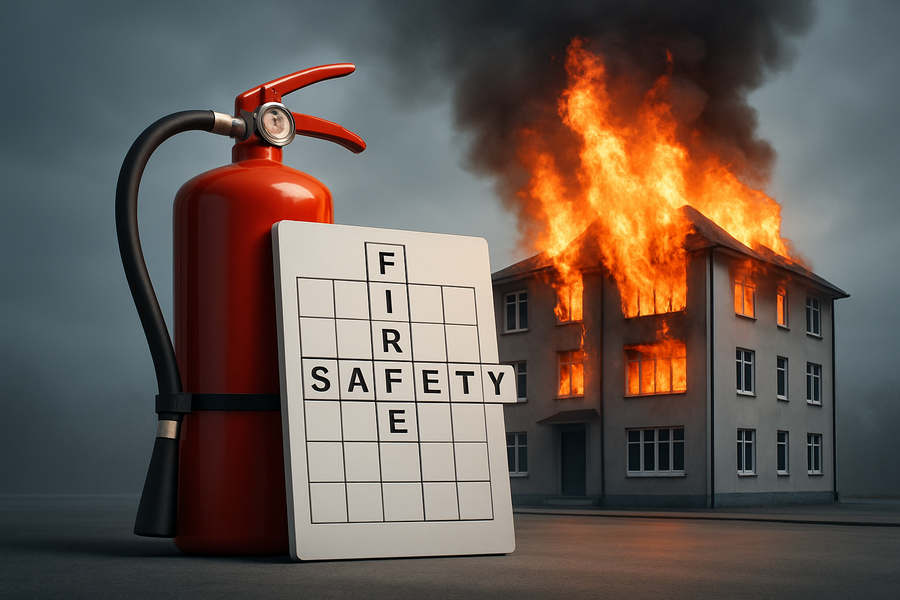
As multifamily property owners, protecting your investment means staying aware of the leading causes of apartment fires. Even a small fire can cause hundreds of thousands in damages, extended vacancies, insurance complications, and liability concerns. Fire season is an ideal time to inspect your buildings, educate tenants, and reinforce safety protocols.
Leading Causes of Apartment Fires
- Cooking Fires (Over 50% of all multifamily fires): Unattended stoves and grease fires are the most common culprits.
- Electrical Failures & Overloaded Outlets: Old wiring, space heaters, and power strips are frequent hazards.
- Smoking Inside Units or on Balconies: Improperly discarded cigarettes remain a leading cause of fatal fires.
- Space Heaters & Heating Equipment: Portable heaters placed near furniture or curtains are a frequent risk.
- Candles & Open Flames: Left unattended, they can quickly cause damage.
- Dryer Vents & Laundry Areas: Lint buildup leads to highly preventable fires.
- Improper Use of Balconies (Grills, Fire Pits, Fireworks): Often against fire codes but still a common issue.
- Arson or Vandalism: Less frequent but among the most destructive.
- Hoarding & Clutter: Excessive belongings block exits and fuel fires, endangering residents and firefighters.
How Owners Can Prevent Fires
1. Maintain Building Infrastructure
Start with the foundation—your systems must be safe and up to code.
- Schedule annual electrical inspections to catch faulty wiring or overloaded circuits.
- Test smoke detectors, CO2 alarms, sprinklers, and fire extinguishers regularly.
- Ensure alarms are not installed near ceiling fans, which can interfere with detection.
- Keep central heating systems in good working condition to reduce reliance on space heaters.
- Keep trees trimmed and away from your building. Clean debris from roofs and gutters. Annual roof maintenance helps here too; seal gaps and openings to prevent ember penetration. Small embers can be carried by the wind from a nearby fire.
2. Conduct Regular Unit & Property Inspections
Use seasonal walkthroughs to spot hazards early.
- Check for overloaded outlets, extension cords, and unsafe appliances. Right now, insurance carriers are also targeting older electrical panels so an electrical inspection can be multi-beneficial.
- Inspect water heater closets for flammable items like wrapping paper, paint thinner, or pet hair.
- Look for foil-wrapped stove drip pans or cookware stored in ovens—both are fire hazards and code violations.
- Ensure dryer vents are professionally cleaned at least once per year, and inspect behind machines for lint, pet hair, or nests.
- Create a fire safety checklist for staff to use during inspections and document findings.
3. Strengthen Lease Rules & Building Policies
Clear policies help prevent risky behavior.
- Prohibit grills, fire pits, and fireworks on balconies.
- Restrict open-flame candles and suggest LED alternatives.
- Establish smoking policies with designated areas and fire-safe receptacles.
- Include fire safety clauses in lease agreements and seasonal addendums.
4. Educate Residents
Tenant awareness is key to prevention.
- Send seasonal fire safety reminders—especially during holidays, winter, and BBQ season.
- Include fire prevention tips in newsletters, flyers, and move-in packets. Residents should be given literature on stove, oven, wall heater and water heater safety.
- Encourage tenants to create fire escape plans and know exit routes.
- Remind residents to report beeping alarms instead of disabling them.
5. Manage Portable Heaters
Space heaters are a leading cause of residential fires.
- Only allow heaters with automatic shut-off features.
- Educate tenants on safe placement: away from curtains, bedding, or furniture.
- Discourage use of outdated or unapproved heating devices.
6. Address Hoarding & Clutter Hazards
Cluttered units pose serious fire risks.
- Watch for signs of hoarding or excessive accumulation during inspections.
- Blocked exits and flammable materials endanger residents and firefighters.
- Residents must be aware some forms of clutter (such as storing cleaning items in their wall heater closet) is a known cause of fires.
- Refer tenants to support resources like hoardingcleanup.com/california for therapy and cleanup help.
7. Improve Security to Prevent Arson
Protect your property from intentional fire risks.
- Install security lighting, cameras, and controlled access in vulnerable areas.
- Monitor common areas and storage rooms for suspicious activity.
- Train staff to report vandalism or fire hazards immediately.
8. Partner with Local Fire Departments
Tap into free community resources.
- Invite fire officials for building walkthroughs or resident safety talks.
- Consider hosting an annual fire drill to reinforce safety culture.
- Build relationships that support faster response and better prevention.
Why Prevention Matters
- Financial Protection: Even contained fires can cost six figures in damages and lost rent.
- Liability Reduction: Proper maintenance of wiring, smoke alarms, and dryer vents protects owners legally.
- Resident Retention: Tenants value safe, well-managed communities and are more likely to renew leases.
At SKY Properties, we partner with owners to implement preventative measures, update safety policies, and coordinate necessary maintenance, protecting your investment while keeping residents safe. We also help educate our residents, train staff, and document inspections to ensure full compliance and peace of mind.
Written by Kari Negri
Kari Negri is the Chief Executive Officer of Sky Property Management and is a member of the Board of Directors of the Apartment Association of Greater Los Angeles. For questions, you can reach Kari at Kari@SKYprop.LA.