“I’ll Sue You!”
Casual Threat, Serious Consequences
By Mercedes Shaffer
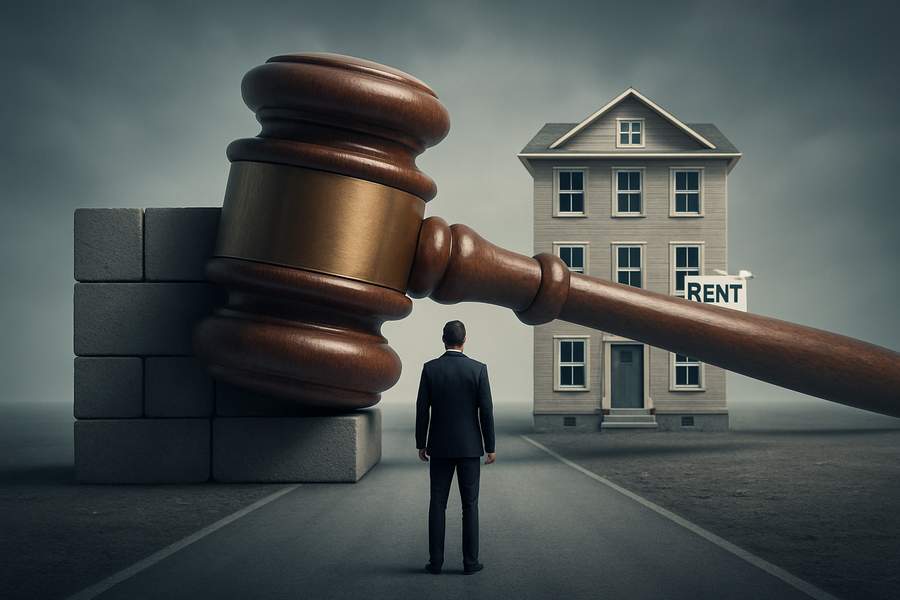
It’s a phrase that housing providers hear far too often: “I’ll sue you!” These words are flung casually by tenants as if they’re a default response to any conflict, big or small. Whether it’s a notice to fix a lease violation, an attempt to collect unpaid rent, or even a simple request to comply with community rules, it’s not uncommon for property owners to find themselves facing threats of legal action — even when they’ve done everything in their power to provide a clean, safe, and well-maintained rental home.
The reality is, these threats—though often empty—carry enormous weight for housing providers. The legal system has become increasingly complex, filled with countless tenant protection laws that often create a lopsided dynamic where property owners are burdened with immense liability, while tenants face little risk in making baseless claims.
A Legal Minefield for Housing Providers
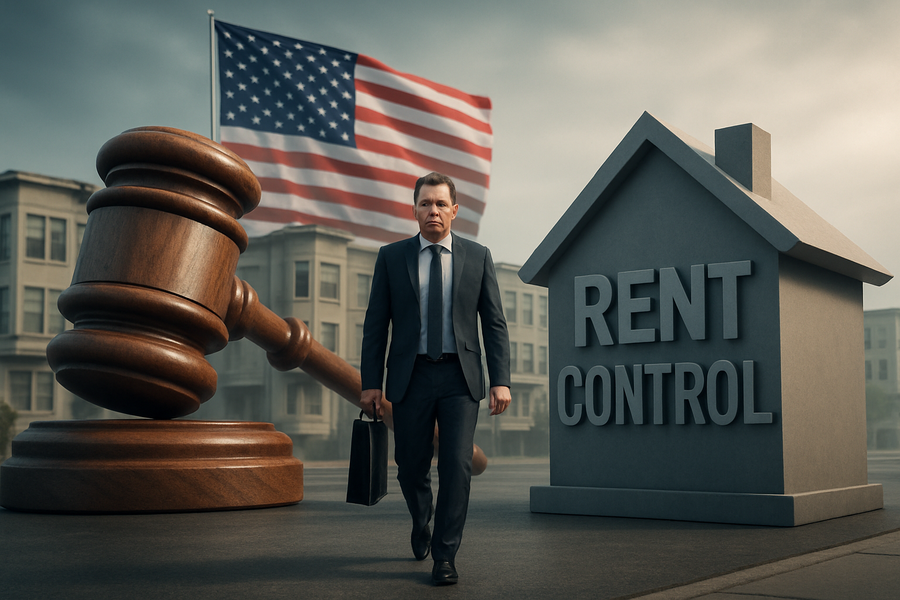
California is a case study in how intricate and one-sided the legal landscape has become. Laws like the Tenant Protection Act (AB 1482) limit rent increases and impose “just cause” eviction requirements, even for smaller property owners who might only have two to four rental units. Senate Bill 567 (SB 567), enacted in 2024, adds even stricter penalties for any perceived violations of tenant protections, including significant fines and potential lawsuits.
Additionally, local ordinances layer on even more rules. Cities like Santa Ana, Los Angeles and San Francisco have their own rent control measures and tenant relocation assistance requirements. For a housing provider, a simple misstep — like an improperly worded notice or a minor technical oversight in following procedural timelines — can lead to legal action, hefty fines, and a battle in court.
Many of these infractions are highly technical and easy to inadvertently trigger, even for the most diligent housing provider. Meanwhile, a tenant could fall months behind on rent, inflict thousands of dollars in property damage, or even engage in illegal activities on the premises, yet the process of recovering those losses is a steep and uncertain legal uphill climb, with little guarantee of restitution.
The Lopsided Reality
Let’s be clear — tenants absolutely deserve to have their rights protected and to live in safe, habitable conditions. The problem arises when the balance tips so far that housing providers are left vulnerable to frivolous threats and extortion-like tactics. For tenants, there’s often no financial consequence to making false claims or leveling baseless lawsuits. For the property owner, defending against even a frivolous claim can result in thousands of dollars in legal fees, endless hours of stress, and the potential risk of a sympathetic judge siding with a tenant who “just didn’t know better.”
In many cases, tenants who threaten lawsuits are simply trying to avoid accountability. A tenant who receives a legitimate notice to cure a lease violation — say, for unauthorized pets or subletting — might respond with an aggressive “I’ll sue you!” rather than addressing the issue. The housing provider, knowing the legal hurdles and financial risks involved, often feels cornered and powerless, choosing to tolerate the behavior rather than enforce the lease.
A One-Way Street of Accountability
Perhaps the most frustrating aspect for property owners is the glaring imbalance in accountability. If a housing provider fails to make a timely repair, they can face legal claims for habitability violations. But when tenants cause substantial damage — broken appliances, holes in walls, severe negligence — the process of collecting restitution is arduous and often fruitless. Small Claims Court offers little relief, and judgments are rarely enforced.
Even in cases of non-payment of rent, recent legislative changes have made eviction proceedings lengthy, expensive, and tenant-favored. Housing providers who rely on rental income to cover their mortgage, taxes, and maintenance are expected to shoulder months of losses while navigating an increasingly bureaucratic eviction process.
The Human Cost of Empty Threats
For housing providers, these frequent “I’ll sue you!” threats aren’t just an annoyance — they’re a source of chronic stress. They foster a climate of fear, hesitation, and resentment. Many small property owners are retirees, families managing a few rental units for supplemental income, or first-time investors. They are not mega-corporations with teams of attorneys on standby. Yet they’re treated with the same level of scrutiny and are held to near-impossible standards of legal perfection.
The unfortunate consequence of this environment is a shrinking pool of willing housing providers. Many are choosing to sell their properties or exit the rental market entirely, exacerbating housing shortages and driving rents higher for everyone.
Moving Toward Equal Protection
Housing providers are the foundation of the rental housing market — they take on the financial risk, provide the homes, and uphold the standards of living. It’s time for change — change that ensures equal protection under the law for both tenants and property owners. A system where responsibilities are respected on both sides, and legal threats are reserved for legitimate grievances, not used as leverage against those who make housing possible.
Mercedes Shaffer is a multifamily broker with REAL, and If you have questions about buying, selling or doing a 1031 exchange, her team serves LA and Orange County and can be reached at 714.330.9999, InvestingInTheOC@gmail.com, or you can visit their website at InvestingInTheOC.com BRE 02114448
* This article is for informational and discussion purposes only and does not constitute legal advice. As a real estate broker, I am not licensed to provide legal counsel. For legal matters, please consult a qualified attorney.