Industry Pulse: Rent Control, Policy Shifts & Compliance
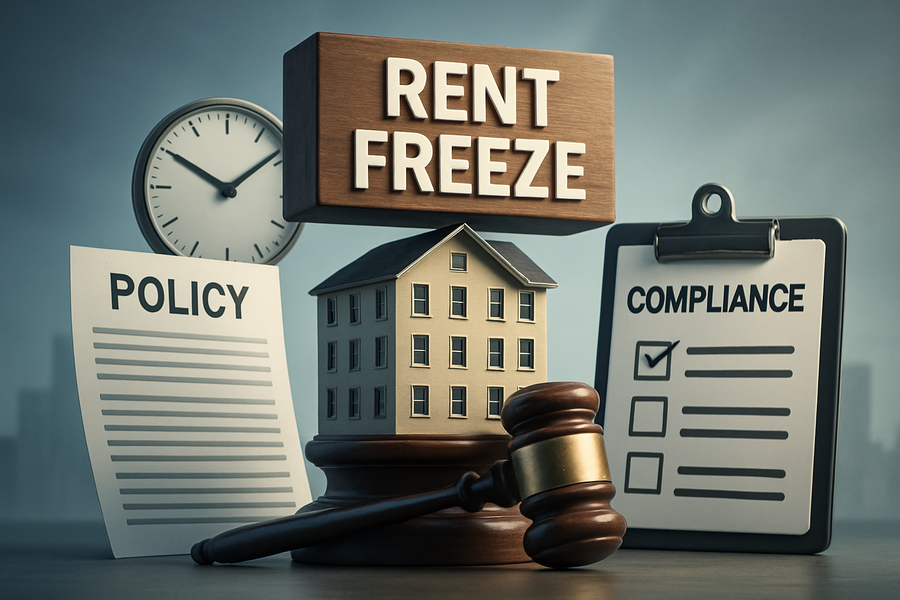
Santa Barbara: temporary rent freeze now set to take effect (Feb. 26, 2026). Santa Barbara adopted Ordinance No. 2026-6206 establishing a temporary rent increase moratorium for many covered units, using Dec. 16, 2025 rent levels as the baseline and running through Dec. 31, 2026 (or earlier if a permanent program is adopted). Exemptions include certain newer construction and other categories identified by the City. Providers with Santa Barbara exposure should review unit eligibility, document baseline rents carefully, and prepare for possible follow-on “permanent rent stabilization” work later this year.
Orange County watch: Anaheim rent control ballot effort begins the qualification process for Nov. 2026. Tenant activists filed notice to begin signature gathering for a ballot measure that would impose a strict rent cap framework (commonly described as CPI-linked with a hard ceiling), expand just-cause requirements, and create new administrative oversight. If it qualifies, Anaheim becomes a major Orange County test case with potential spillover effects (political and market) across nearby cities. Providers should track signature milestones, assess portfolio sensitivity under capped-growth scenarios, and plan for expanded compliance/administrative burden if the measure advances.
Los Angeles County: countywide eviction-threshold proposal rejected (Feb. 10, 2026). The LA County Board of Supervisors declined to advance a proposal that would have required a tenant to be roughly three months behind (tied to HUD Fair Market Rent metrics) before a provider could file an eviction in certain contexts. While this is a short-term “pause” on additional restrictions, it also signals the policy direction remains active—providers should continue monitoring Board agendas for revised versions or narrower proposals.
City of Los Angeles (RSO): rent increase formula tightened effective Feb. 2, 2026. LAHD notes the City amended the RSO formula to 90% of CPI rather than 100%, with a new range of 1%–4% (depending on CPI), replacing the prior higher floor/ceiling structure. Owners and managers should confirm the applicable annual adjustment, update notices/templates, and ensure rent increases align with LAHD guidance.
Statewide compliance: new 2026 landlord requirements are in effect. Sacramento’s “new-in-2026” rollout highlights housing-related requirements, including AB 628 (refrigerator requirement, per the Governor’s summary). Providers should verify property standards, vendor/turn processes, and lease-change workflows—especially when renewing leases or changing terms.
Operational takeaway for providers:
- Stress-test cash flow under tighter cap scenarios (CPI-based ceilings) in any jurisdiction flirting with local rent control.
- Tighten documentation (baseline rents, notices, unit exemptions, maintenance logs).
- Refresh compliance checklists for 2026 habitability/amenity requirements and local rent programs.
- Engage early: ballot measures and “interim” freezes move fast—education and coalition-building tend to matter most before language is locked.
This article has been prepared by the editorial staff of Apartment News Publications, Inc. (ANP) intended for informational purposes only and does not constitute legal advice. Readers should consult with qualified counsel regarding their specific circumstances. ANP, Covering Issues That Impact Landlords and Property Owners.