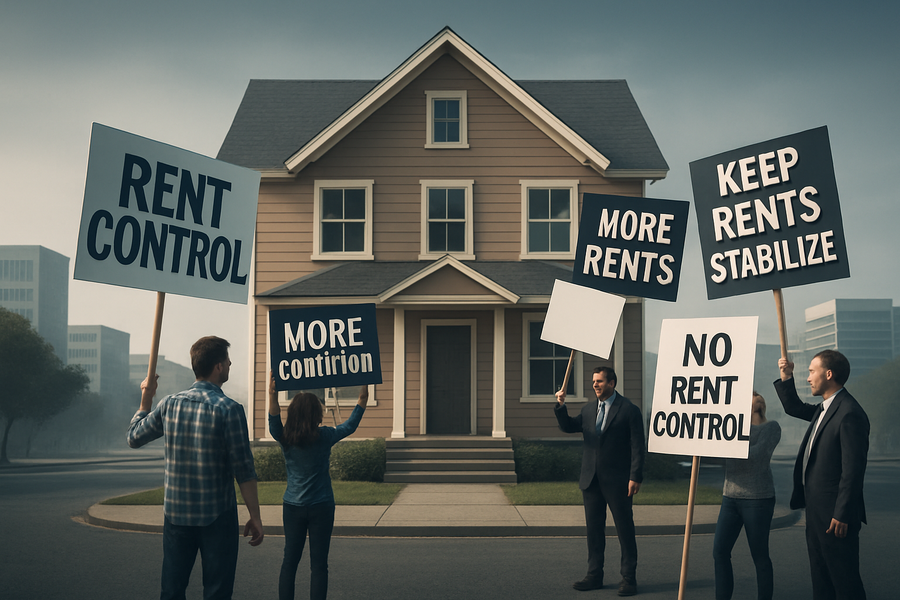
Rent Control Debate Intensifies in Palo Alto
Calls for stronger rent regulation are gaining momentum in Palo Alto, as tenant advocacy groups and some local officials push for expanded rent stabilization policies in one of Silicon Valley’s most expensive housing markets. For housing providers, the debate reflects a growing tension between tenant protections and maintaining a sustainable rental housing ecosystem.
Palo Alto has already adopted several local tenant protection measures in recent years. The city expanded “just cause” eviction protections beyond state law, allowing these protections to apply after only six months of tenancy rather than the twelve months required under California’s statewide rules. These rules also impose additional requirements on property owners, such as lease provisions and relocation assistance obligations in certain situations.
At the same time, Palo Alto has implemented a rental registry program, requiring landlords and property managers to register rental units through an online portal and report certain property information annually. Supporters argue that these tools improve transparency and help the city better understand the local housing market.
But for many landlords, these policies represent only the beginning of a broader push toward full rent control or stricter rent stabilization measures. Housing activists have periodically advocated for rent caps, expanded tenant rights, and additional regulations intended to limit displacement and stabilize rents in the city.
The question isn’t whether tenants deserve protections—they already exist at both the state and local levels. California’s Tenant Protection Act (AB 1482) already caps rent increases for many units statewide at 5% plus inflation, up to a maximum of 10% per year, while also requiring “just cause” for many evictions. When combined with Palo Alto’s local ordinances, landlords say the regulatory framework is already extensive.
The concern is that additional rent control policies could further discourage investment in rental housing at a time when housing supply remains constrained across the region. Silicon Valley cities like Palo Alto already face extremely high construction costs, strict zoning limitations, and lengthy permitting processes—factors that make building new housing difficult. Adding tighter rent controls, some argue, could reduce incentives to maintain or expand rental inventory.
Small housing providers are particularly sensitive to these policy shifts. Unlike large institutional investors, many local landlords operate one or two properties and rely on rental income to cover rising expenses such as insurance, property taxes, utilities, and maintenance. When rent increases are tightly limited, those costs may become harder to recover, especially in older buildings that require ongoing upgrades.
Landlords also worry about the administrative complexity that accompanies rent regulation. Programs often involve registration requirements, compliance reporting, relocation payments, and legal procedures that can become burdensome for smaller operators who lack dedicated management teams.
None of this diminishes the reality that many tenants struggle with affordability in Palo Alto. The city consistently ranks among the most expensive housing markets in the country, and policymakers face pressure to address rising costs. The challenge is finding solutions that protect renters without discouraging the investment needed to maintain and expand the housing supply.
As discussions continue, many housing providers are urging policymakers to focus on policies that increase housing production and reduce development barriers. From their perspective, long-term affordability is more likely to come from expanding supply than imposing additional rent controls on the existing housing stock.
This article has been prepared by the editorial staff of Apartment News Publications, Inc. (ANP) intended for informational purposes only and does not constitute legal advice. Readers should consult with qualified counsel regarding their specific circumstances. ANP, Covering Issues That Impact Rental Property Owners and management professionals.