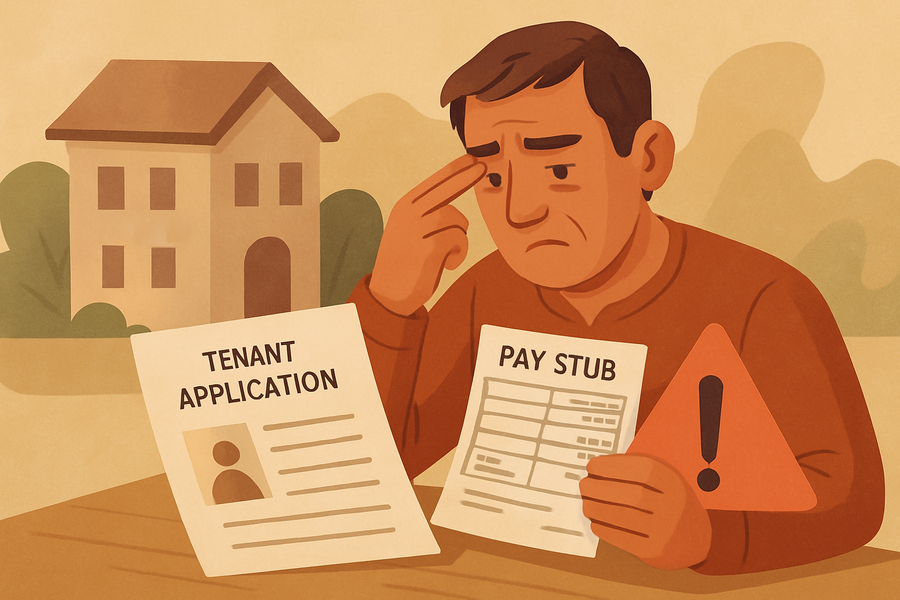
Government Shutdown Impacts on Rental Housing Providers
A federal government shutdown can have wide-ranging consequences for rental housing providers, especially those participating in federally assisted programs or relying on federal financing and regulatory functions. The immediate impact is typically felt through the U.S. Department of Housing and Urban Development (HUD), where funding for Section 8 and Project-Based Rental Assistance (PBRA) contracts may continue only while obligated funds remain. Once reserves are depleted, payment delays or suspensions can occur. Local housing authorities administering Housing Choice Vouchers may remain operational for a short period but could experience severe strain if the shutdown persists. During such times, HUD inspections are generally limited to emergencies or life-safety issues, creating potential backlogs and compliance uncertainty.
Shutdowns also delay federal loan and grant programs, halting or slowing new HUD, USDA, or other federal housing grants, refinancing applications, and environmental reviews. Any project dependent on federal approvals or disbursements may face stalled progress as agency staff are furloughed. Mortgage processing under FHA, VA, and USDA programs often pauses, and the National Flood Insurance Program (NFIP) can lapse, preventing new or renewed coverage in flood-prone areas. Additionally, IRS and Social Security Administration service slowdowns may disrupt income verification and tenant screening processes that rely on federal databases.
Rental markets themselves can experience ripple effects when large numbers of federal employees or contractors are furloughed, leading to increased delinquencies among tenants who temporarily lose income. Reduced homebuyer demand during a shutdown may also dampen overall mobility, slowing move-ins or property sales. Landlords who depend on timely subsidy disbursements or closing transactions should anticipate short-term cash-flow pressure. For owners of HUD-assisted properties, maintaining liquidity reserves becomes essential to bridge potential gaps in federal payments, and any deferred inspections or compliance reviews could increase regulatory exposure once normal operations resume.
To mitigate these risks, housing providers should immediately evaluate how dependent their portfolios are on federal funding, and identify alternate sources of liquidity. Maintaining sufficient reserves can prevent operational shortfalls if rent assistance or reimbursement funds are delayed. Owners may wish to pause nonessential capital projects until agency operations stabilize, while carefully monitoring HUD, USDA, and local housing authority communications for updated guidance. Proactive communication with residents—particularly those receiving federal subsidies—can help maintain trust and minimize confusion about potential delays or temporary disruptions. Finally, owners should consult with legal and financial advisors to understand any contract or compliance obligations affected by a lapse in federal appropriations.
In short, a government shutdown introduces uncertainty across the housing ecosystem—from delayed federal payments to stalled development approvals and tenant hardship. Property owners who prepare in advance, maintain liquidity, and stay informed can best navigate the temporary instability and protect their assets, residents, and long-term financial position.
This article has been prepared by the editorial staff of Apartment News Publications, Inc. (ANP) intended for informational purposes only and does not constitute legal advice. Readers should consult with qualified counsel regarding their specific circumstances. ANP, Covering Issues That Impact Landlords and Property Owners.